That the weekend represented a satisfactory outcome for the Gaelic Players Association (GPA) is undeniable, but how should the GAA at large react to these new, improved arrangements?
Are they maybe part of the inexorable process by which the GAA compensates those whose activities on its behalf have become too intense and time-consuming to be continued on a purely volunteerist basis? Pay for play?
Hardly. For all the additional funding the players’ body received, it wouldn’t come close to making those sorts of outgoings.
Nonetheless, it represents a tidy increase in income. As can be seen, the players’ cut will be levied across a range of income streams, some unimagined when the GPA was founded just over 26 years ago or even when it came under the Croke Park umbrella 11 years later.
READ MORE


Last year’s accounts show the GPA’s two main sources of income were: core funding, made up of 15 per cent of the GAA’s commercial income, which accounted for €3.17 million, and commercial income of €1.7 million, largely from Le Chéile (the joint commercial venture with the GAA).
The various tweaks to these streams in the new four-year agreement include: the 15 per cent of GAA commercial earnings now being calculated on the gross, rather than the net figure; an enhanced take from Le Chéile; and a cut from the earnings of GAA+, the streaming service, formerly GAAGO which was operated with RTÉ but now, rebranded, is owned outright by Croke Park.
The biggest ticket of the lot was, however, the granting of the GPA claim for NILP (name, image, likeness and personality) or image rights, which had been an ongoing bone of contention between the two organisations.
To anyone looking for the ratchet effect, the GAA for years resisted any notion that they would give the GPA a share of the GAA’s commercial income. But that was eventually overcome and then image rights became the battleground in what were extraordinarily protracted negotiations – lasting a year – before being conceded.
[ GAA formally recognises GPA image rights in new four-year deal ]
The death knell of the holdout surely had to be 2024 hurler of the year Shane O’Donnell’s protest at his picture being used to promote GAAGO when he was wholly opposed to the streaming service’s pay-per-view model.
You didn’t have to agree with O’Donnell’s views on subscription viewing to have complete sympathy with his objection to being used in the promotion of something with which he disagreed.
Ironically, the newly recognised NILP rights will be largely vindicated through the agency of the same streaming service, according to the joint communique from the two bodies.
“It is intended that GAA+ will serve as a vehicle for NILP-related activity with the GPA having editorial board representation,” it said.
Then there is the proposed commercial exploitation of the match ball in championship matches, the proceeds of which will go to the GPA.
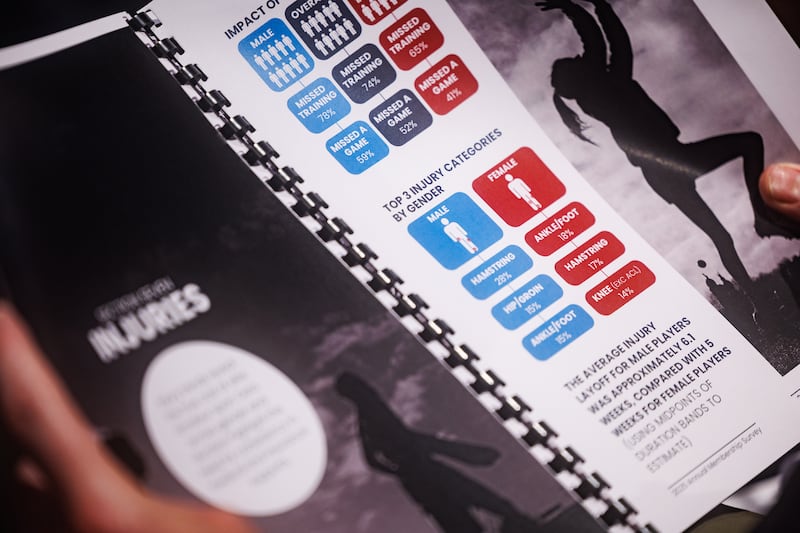
There is a fair argument that the agreement represents at least as good value for the GAA as for the players, who have consistently said, most recently in the findings of a GPA annual survey, that they [64 per cent] “are content with amateur status”.
Despite the scepticism of some reactions to the GPA’s widespread programme of education bursaries and mental health supports, there is good reason to see the justification in all of this.
The landmark 2018 Economic and Social Research Institute (ESRI) report detailed how demanding the lot of intercounty players had become and how compromised their general welfare. If the headline figure was the 31 hours that constituted the average input into playing commitments, there were also specific data on their careers and employment.
Forty-eight per cent of respondents said they would like to be able to give more time to their professional career and that figure rose to 54 per cent when restricted to those aged 22 and over.
Asked about the main downside of playing intercounty, 35 per cent said that their career had been affected and 80 per cent agreed or strongly agreed that their employment needed to be “flexible” to enable them play at that level.
At the same time a profile elevated by playing for the county can help to secure certain employment, but these career concerns, illustrated by the ESRI research, make it obvious that at the very least supports such as bursaries for further education are warranted by the impact on the careers of many.
It was specifically stated that the additional money coming from the 15 per cent of the GAA’s commercial income being taken gross rather than net would go to new student bursary funds.
The same rationale can be advanced for the mental health therapies, which the GPA assists its members to access.
Four-fifths of the GPA’s funds go into these development programmes and welfare activities, with the balance taken up with running costs, employment and premises.
In the press statement announcing the new agreement, the GAA was at pains to explain that it would continue to have audit rights in respect of money coming from the association to ensure that the money was going where intended.
Any review of the GAA’s accounts will indicate how dependent it is on intercounty activity from gate receipts to media rights and commercial partnerships.
Players have a central role in underwriting the governance of the GAA. Estimates are that when all of the enhanced measures bed in, the GPA might take home an increase of somewhat less than a million euro, depending on the success of new ventures.
Any reasonable observer would conclude that it’s cheap at the price.
sean.moran@irishtimes.com