

I was fascinated when I first heard there is a dormant seed bank of wildflowers underneath much of the top layers of soil in Ireland. It came up in discussion during a wildflower meadow workshop in Co Tipperary run by the enthusiastic native Irish wildflower expert Sandro Cafolla before the Covid-19 pandemic.
Cafolla has had mixed fortunes with his native Irish wildflower seed business since then, but he’s still in the game. His new focus on selling lesser-known Irish wildflower seeds such as yellow rattle, red rattle (also known as marsh lousewort) and eyebright is to bring colour to native Irish wildflower meadows after some of the first summer blooms have passed.

At the workshop, Cafolla explained the mix of wildflowers that grows in Ireland varies from season to season and site to site, depending on species, weather, soil, shade and cutting regime. So, basically, you need to be content with what works in your field or garden rather than seeking some kind of Instagram-perfect wildflower meadow.
It is also worth noting that it can take several years for some wildflowers to germinate and grow. And, it takes patience and effort to cut back docks, thistles and nettles so that wild grasses can grow in their place and allow the wildflowers to thrive.
READ MORE


The National Biodiversity Data Centre advises against planting nonnative wildflower seeds as the mix can inadvertently contain invasive species. Even imported seeds of native wildflower species will not be as valuable to local pollinating insects as naturally occurring wildflowers, which have evolved alongside them.
Botanist Noeleen Smyth, the new director of the National Botanic Gardens, goes one step further and suggests the word “wild” should be removed from wildflower seed packets. In her blog on pollinators.ie, Smyth explains how we are polluting any remaining wild Irish cornflowers by planting wildflower seed mixes of unclear origin. Scarlet flax, a beautiful red flower, and pot marigold, also seen in many purchased packs of wildflowers, are natives of southern Europe, while cosmos – also often in wildflower mixes – is a native of Mexico.
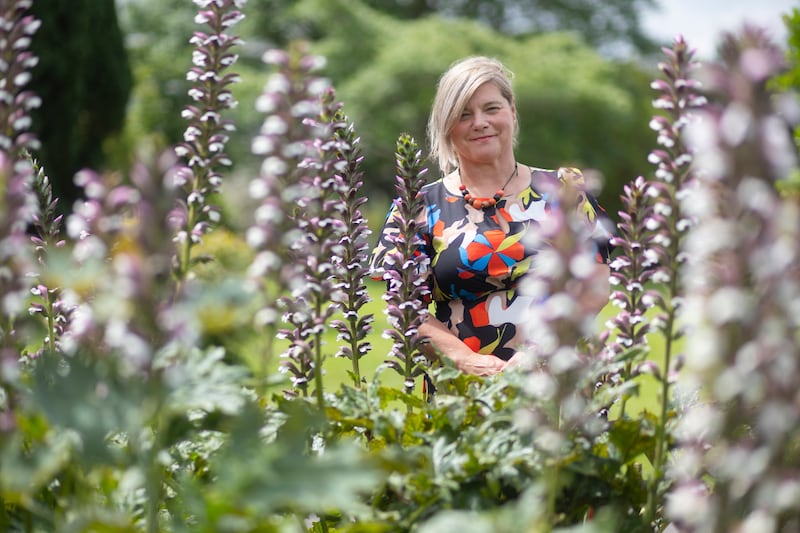
This might all sound harmless enough except that these wildflowers – albeit beautifully colourful – push out the spaces needed for our own native clover, dandelions, cowslips, poppies and daisies, which are better adapted to local insect populations.
Other larger invasive non-native species such as Gunnera tinctoria (a giant rhubarb that populates swathes of Achill Island) and Rhododendron ponticum, found in the National Park in Killarney, have long been disturbing the natural growth of native plants by blocking out light with their large canopies.
Studies by researchers at University College Cork have also found that climate change presents another risk to native Irish plants. The researchers, based in UCC’s Department of Geography and Environmental Research Institute, found that plants including spring vetch, wood crane’s bill, the nettle-leaved bellflower and mackay’s heath could all disappear as Ireland’s climate changes.
Irish Plant Heritage at Risk is the theme of a series of behind the scenes tours of the herbarium and nursery at the National Botanic Gardens in Glasnevin, Dublin, taking place next week as part of National Heritage Week.
Botanist Christina Campbell will give tours of the herbarium while Colin Kelleher and Smyth will lead tours of the nursery.
“The herbarium has so many time capsules of plant species which document what was where and when,” Campbell says.
Just as zoos now have a strong role in the conservation of animal species in the wild, the National Botanic Gardens also support the preservation of plants. Some plants now extinct in the wild, such as club sedge, are grown in the National Botanic Gardens nursery with the possible long-term aim of returning it to the wild in the future.
Other plants that are seriously threatened in the wild such as cottonweed (its last population is at Our Lady’s Island in Co Wexford) are also grown in the nursery so the species can be preserved for the future.
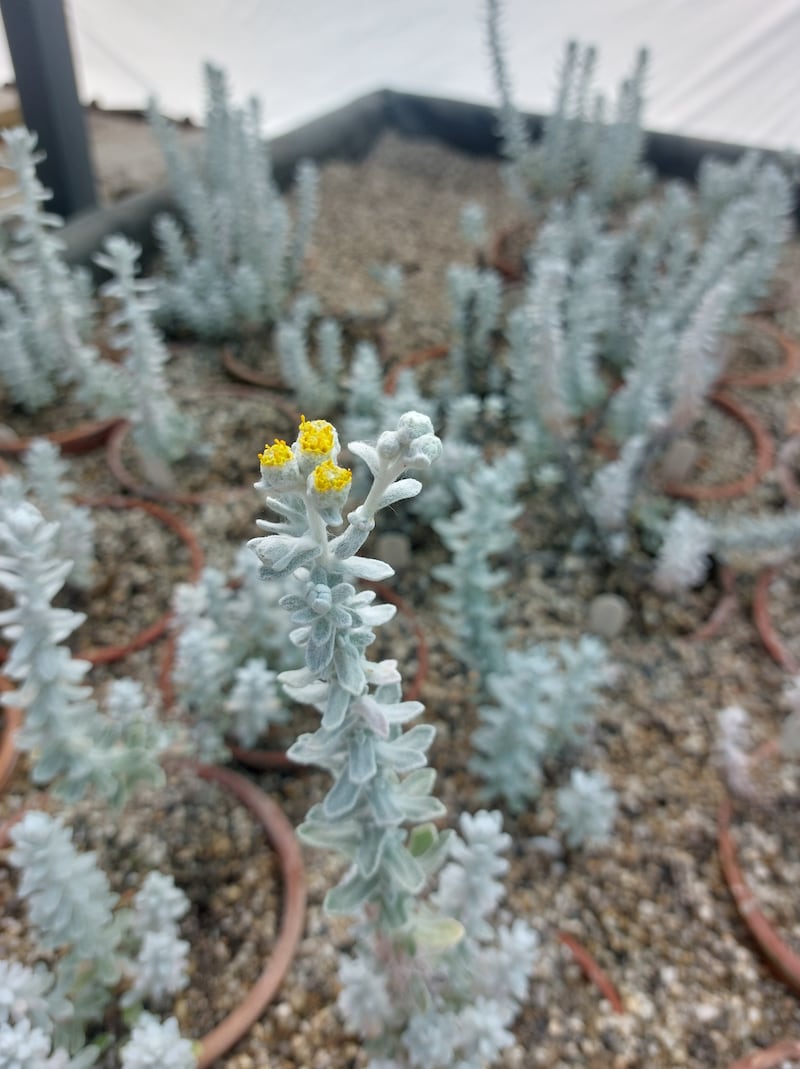
In 2019 the herbarium at the gardens established a national seed bank.
“It’s about protecting plants outside their natural habitat in tandem with protecting plants in their habitats,” Campbell says.
With seeds of more than 130 plant species kept at minus 20 degrees, the bank preserves the genetic diversity of Irish native flora, including those at risk of extinction.
While historically the focus of national botanic gardens around the world has often been on displaying exotic plants and trees that cannot be seen elsewhere, native plant species now also have pride of place.
With its sections on coastal and woodland plants and the unique flora of the limestone karst landscape in the Burren, the Wild Ireland area in the National Botanic Gardens is testament to this appreciation of what grows in this country.
Irish Plant Heritage at Risk, a behind the scenes tour of the herbarium and nursery at National Botanic Gardens in Glasnevin, takes place on Tuesday, August 18th at 11am and 2pm and on Friday, August 21st. Bookings at botanicgardens.ie