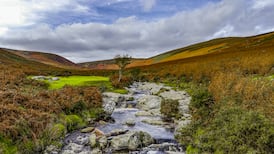
Almost all of Ireland’s natural habitats are in poor condition after a further decline over the last six years, a new study has found.
The assessment carried out by the National Parks and Wildlife Service (NPWS) shows 90 per cent of woodland, grasslands, coastal and freshwater areas now have “unfavourable status”.
It means they are losing the plants and animals that make them distinctive and are in danger of disappearing completely.
When the exercise, which is required under European Union law, was last carried out in 2019, the figure was 85 per cent.
READ MORE


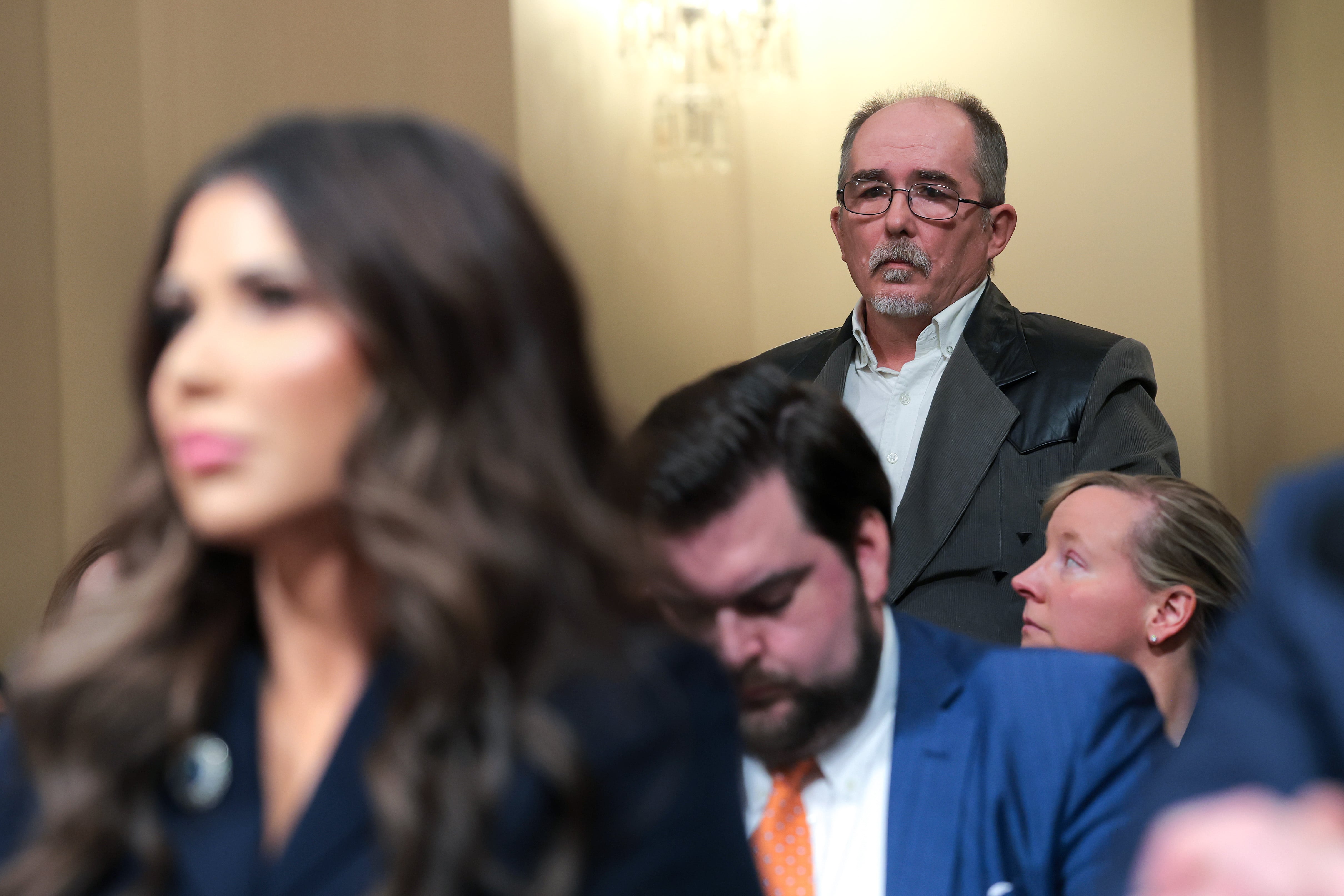
Minister for Nature Christopher O’Sullivan said the findings were “disappointing” and the commitment to saving biodiversity must now be redoubled.
NPWS director general Niall Ó Donnchú said the situation was “disheartening” but should act as a spur to accelerate conservation efforts. “The real time to begin was yesterday,” he said.
The state of plants and animals – excluding birds which are assessed separately – fared better, with 58 per cent of the 60 monitored species classed as having “favourable status” – a 1 per cent improvement on 2019.
Agricultural practices, particularly inappropriate grazing, drainage and pollution by manure and chemical fertilisers, are the most common negative impact on natural places.
However, invasive species, pressure from residential and commercial development, forestry, roads and human interference with river banks and natural water flows are also common reasons for poor condition.
On the flip side, when conservation measures aimed at the long-term recovery of habitats are assessed, most are found to come from the agricultural sector which controls most of the country’s land.
Ireland has 59 of the 233 distinctive habitats listed for protection in the EU Habitats Directive. Some are found in many counties over wide regions, such as bogs, while others are scarce and confined to a handful of places, such as halophilous scrub, a type of salt marsh found only in the southeast.
The NPWS takes representative samples for detailed assessment and rates them as having favourable, inadequate or bad status. The report rates 48 per cent as bad, 42 per cent as inadequate and just 10 per cent as favourable.
Only 9 per cent show signs of improving, such as hay meadows which are benefiting from the National Pollinator Plan, while 51 per cent are declining.
Almost 1,400 species are listed in the directive, of which Ireland has 60. The status of 20 per cent is bad, 12 per cent inadequate and 58 per cent favourable, while 10 per cent is unknown.
Improvements are recorded in 13 per cent of species and declines in 18 per cent, while 57 per cent are rated stable and 12 per cent unknown.
Pine martens, otter, seals and some whales are among the improving species.
Mr O’Sullivan said it was important not to lose hope. “We must be heartened by the huge effort under way across all corners of the country to protect and restore our natural world, and remind ourselves of the need for patience,” he said.
“While nature can bounce back quickly, the recovery of habitats and species to the high standards set out in the Habitats Directive can take time.”
The report, which runs to over 1,000 pages, comes as work begins on developing the country’s first Nature Restoration Plan. It illustrates the huge scale of the task ahead in rescuing what remains of Ireland’s wild and semi-wild places.
Mr O’Sullivan said the data gathered would help inform the plan which must be submitted to the EU by next September.
“We have a long way to go, but we are starting to get a clearer picture of what’s working and where to focus our efforts,” he said.