
Hew Moran was a teenager playing computer games for fun at home in Long Island, New York, when he started filming himself acting out scenes from the games and uploading them to YouTube.
He would play after school then make the comedy clips before grabbing a few hours’ sleep and heading back into lessons.
By 2023, he was gaining one million subscribers every month and his videos now regularly get more than 100 million monthly views.
“It just kind of worked, which was kind of crazy,” he says, thinking back to a period of juggling college, then a part-time job and his fledgling YouTube channel. “It was pretty exciting but it was overwhelming.”
READ MORE


Moran eventually quit his job, then dropped out of college to focus on content creation. “My parents were like, what the heck is this?”
Closer to home, fashion blogger and influencer Lisa McGowan only started her online promotional work after she won the best-dressed ladies competition at the Galway Races in 2016.
Before then, McGowan, an insurance broker by profession, had just set up Lisa’s Lust List, a fashion blog which was, in her own words, “only ever meant to be a hobby”.
Lisa’s Lust List site specialises in promoting products including fashion items, beauty, health, travel and homeware, mainly produced by Irish-based SMEs.
Her Facebook page has 214,000 followers while on Instagram it has increased to 197,000. Figures published this week show she enjoyed a remuneration package last year of €1.9 million.
Similar questions to those of Moran’s parents are now being asked by millions of young people trying to make it as digital content creators and social media influencers, as viewers flood to YouTube, TikTok and Instagram as their main source of news and entertainment.
There is money to be made, with advertising spending backing the US creator economy expected to reach almost $44 billion (€39 billion) in 2026, according to the trade body IAB, as the industry ditches institutional media to get closer to popular individual voices.
The UK’s creator economy on YouTube alone was worth £2.8 billion (€3.3 billion) and supported 60,000 jobs in 2025, according to research by Oxford Economics, while estimates of the numbers it employs around the world stretch into hundreds of millions. Last year, a UK parliamentary group was launched to recognise the importance of the rapidly growing sector.
How do the top creators monetise content, which businesses are benefiting from the boom and the multibillion dollar infrastructure behind it and how are traditional companies racing to catch up?
Smartphones mean almost anyone, anywhere, can create content. AI tools and data analytics are making it easier to produce and monetise their output at professional levels.
[ Age of influencers: how content creation has become the toughest of dream jobsOpens in new window ]
Such low entry costs and the potential for high rewards have prompted a gold rush for fickle digital audiences.
Professions have been created that did not exist a decade ago. Many of the industry’s most successful figures are newly minted millionaires. And companies and traditional media networks and agencies are rethinking how they do business, keen to tap into influencers’ ability to command audiences, change cultural norms, sway elections and sell products.
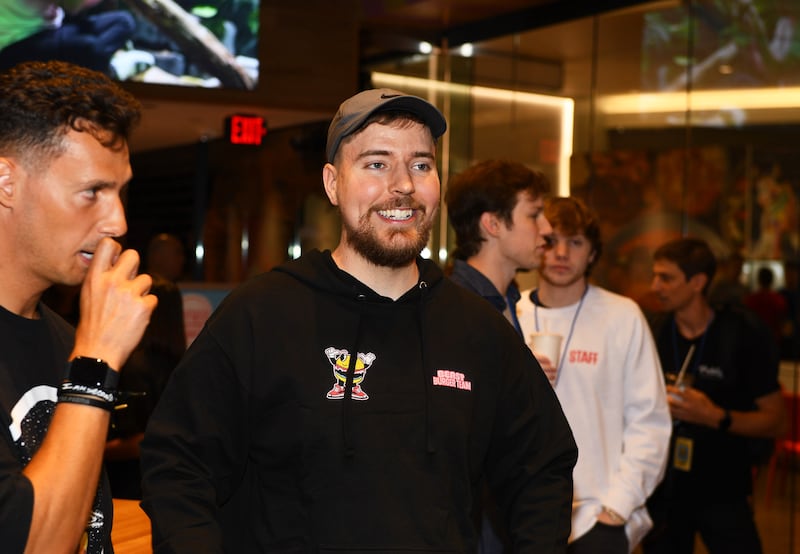
Talking to The Financial Times at a Disney event in Los Angeles this year, Jimmy Donaldson, better known as MrBeast, explained that increasingly he felt like a data scientist – spotting and riding the different trends of popular content on the internet – rather than a simple creator of digital content.
He now sits at the head of Beast Industries, an empire that spans TV shows to soft drinks and snacks, with the sorts of high production values that are far removed from his early days posting gaming and humorous videos on a YouTube channel a decade ago.
But behind the billions of dollars being made by the superstars such as MrBeast, lies a long tail of content creators and influencers scratching out a living with little support and uncertain prospects in the fast-changing algorithmically-led world of social media.
Many complain about long hours and futile attempts to build audiences, leaving them stranded without the attention of the brands whose payments they need to turn a channel into a career. Women creators say they are often subject to online abuse.
You have to be the thing that people want to watch
— GothamChess, aka Levy Rozman, Content Creator
Creators also face the increasing creep of AI influencers – digital avatars that compete for their audience and income.
To attract engaged followers, creators often find a niche or hobby that can be turned into content for specific audiences. “We’re in an attention economy, there has to be something unique about you,” says GothamChess, aka Levy Rozman, who has two million Instagram followers and a YouTube audience of eight million for his analysis of and tips about the game.
“You have to be the thing that people want to watch rather than watching their limited series, rather than a movie, a documentary, listening to music, listening to podcasts,” he says. His earnings can fluctuate by 20 to 50 per cent from year to year, due largely to shifts in algorithms, he adds.
When scouting for new talent, Molly McDonald, founder of Blue Door Productions, a London-based production company built for the creator economy, looks for individuals with “a sharp, distinguishable point of view ... If people can’t explain who you are succinctly, the algorithm won’t pick up on it.”
She identifies the essential skills as “story structure, business literacy and burnout management ... The algorithm only favours your platform more if you distribute more content but there also has to be quality. If they stop posting, users drop.”
During lockdown, and out of work as a journalist, Lucy Edwards, who is blind, started posting videos on TikTok. “I got to about 27,000 subscribers then TikTok blew up for me. I suddenly had a million followers,” she says.
Everything I do, I think, can I make content out of it?
— Lucy Edwards, Content Creator
“The video that did it really was ‘blind girl does her own make-up’, which got 20 million views.”
She feels she has a bond with her audience that goes beyond any gimmick. “People know me. They want to know more about my life, what I do, my IVF journey, pregnancy journey. But if you don’t diversify ... you’re not going to do very well.”
Rozman says he “dabbles with different spaces other than chess”. “Everything I do, I think, can I make content out of it? Cooking, building a house, doing your taxes, immigration law, like anything to educate people.”
Many creators seek to ride more short-lived waves of internet popularity. Shira Jeczmien, founder of viral marketing agency Screenshot Media, points to a brief trend of people eating whole cucumbers that led to shortages of the vegetable in supermarkets.
“With social listening, you can see what conversations are starting to pick up in real time. What we look out for is content that might have a disproportionately high view count relative to the volume of videos being created on that topic.”
Mum Bum, a parenting influencer, started to post videos as a frazzled young mother and says she is now earning similar to a graduate job. “I essentially have no skills and qualifications ... I hadn’t even really used social media before. It is crazy that you can just jump in ... and make a success out of it.”
We have to be nimble. It’s long days. It’s uploading on the weekends
— Lucy Edwards, Content Creator
The lines have blurred between different sorts of creators and the different sorts of routes to the audience, says Oren Rosenbaum, co-head of the creators division at talent agency UTA. “The podcasters are making content for YouTube. YouTubers are making podcasts. Everyone has TikTok, everyone has Instagram.”
Such demands – along with the fact that most people starting out are doing all the idea creation, shooting and editing themselves – mean the difficulties of forging a sustainable creator career are often underestimated. “I think too many people are like, well, it’s so easy, anybody can do it ... it’s a very challenging job,” adds Rosenbaum.
Working hours can be more uncertain than a traditional media job. “You don’t really switch off,” says Edwards. “We have to be nimble. It’s long days. It’s uploading on the weekends, it’s changing things really quickly ... If a brand wants ... something, they pay a premium for you to prioritise them.”
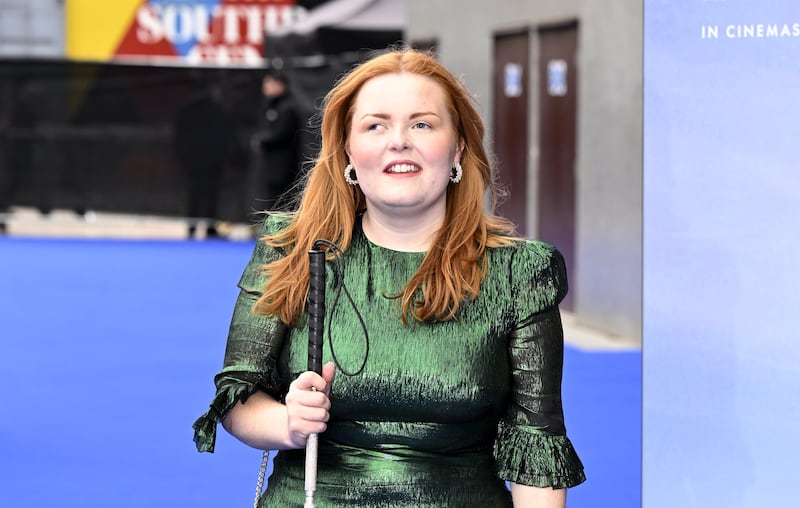
Romany Henry, who shares cooking content drawing on her Asian heritage with her 460,000 Instagram followers, says the pressure of “creating the recipe, to shooting it, to speaking” can cause “constant exhaustion”. She took time out of content creation to work in kitchens to spark her passion for cooking again.
Newer challenges are arising as the industry becomes oversaturated. “[The] attention creators can access is waning as the proliferation of creators and brands [has grown],” says Dom Smales, who started and sold creator agency Gleam Futures.
Entrepreneur and reality TV star Jamie Laing, who has 1.7 million followers on Instagram, agrees there is pressure to “constantly be creative and different from someone else. You can’t be boring”. Burnout, he says, is “rife”.
Moran now films from 11am to 5pm most days, making on average about five minutes’ worth of content, but then can spend until the early hours writing and editing multiple clips for YouTube, even with his own team of a cameraperson and editor.
Edwards sets out to make four or five pieces a week. “You have to feed the beast.”
The trade-off is worth it for many creators, who have found the freedom to make a career on platforms designed to connect them with audiences like never before.
But whether it is a secure long-term career can feel unclear.
“It feels like somebody has just handed me a golden ticket sometimes,” says Mum Bum. “But as time goes on, I can feel this is not sustainable. I need to be present for my children, and I don’t want them to see mummy with a phone in her hand all the time.” – Copyright The Financial Times Limited 2026


