

In sport, success is often measured in medals, trophies and winning titles. At South East Technological University (SETU), success is also measured by the opportunities created through sport and physical activity, from supporting high-performance athletes and Olympians to developing future coaches, scientists and health professionals, while advancing research that improves lives and strengthens communities.
Across its campuses, SETU has established itself as one of Ireland’s leading sporting universities, combining high-performance pathways, expert teaching and world-class facilities to support athletes at every stage of their journey. The result is a sporting ecosystem that supports participation at every level while producing athletes who compete on national, international and Olympic stages.
From athlete support programmes and scholarships to specialist academic programmes in sports coaching, management, performance and health sciences, SETU has developed a culture that recognises the value of sport in education and society.
“At SETU, sport is a vehicle for personal development, academic success and community engagement,” says Donal McNally, SETU’s director of sport. “Our aim is to create an environment where every student can participate and benefit from sport and physical activity, while ensuring talented athletes have access to the support structures, facilities, coaching expertise and academic flexibility they need to perform at the highest level.”
READ MORE


That philosophy is reflected in the experiences of student-athletes across the university. One such athlete is Adam Nolan, a sports rehabilitation and athletic therapy student. Nolan has been Ireland’s indoor 60m hurdles champion for three consecutive years and the outdoor national 110m champion in 2025, all while balancing elite sport and higher education.
In 2025 Nolan represented Ireland at the European Athletics U23 Championships. Closer to home, he has enjoyed significant success representing SETU, claiming the men’s 60m hurdles title at the Intervarsity Indoor Championships and a gold medal in the 110m hurdles at the Outdoor Intervarsity Championships, helping secure a fourth-place team finish nationally.
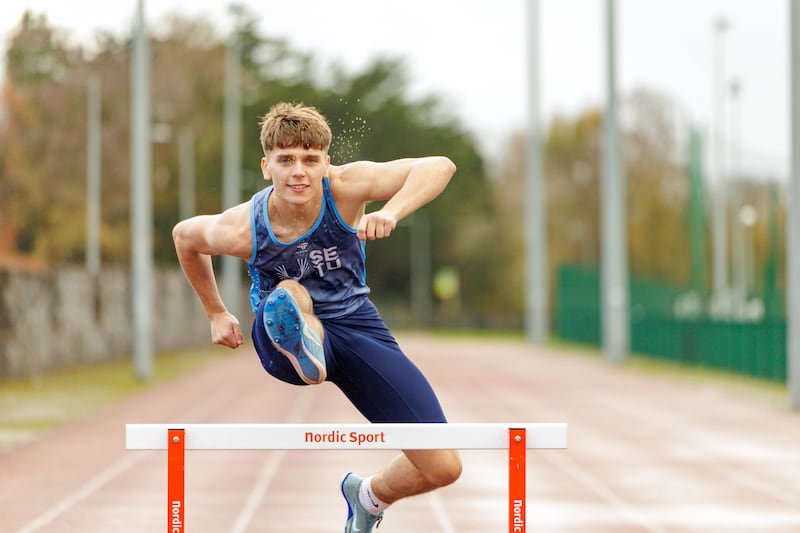
For Nolan, one of the benefits of studying at SETU is the close connection between academic learning and sporting performance.
“Studying sports rehabilitation and athletic therapy allows me to apply classroom learning directly to my training while deepening my understanding of athlete care and performance,” he says.
A key driver of SETU’s sporting success is its investment in facilities. At the core of the university’s sporting infrastructure are SETU Arena and its South Sports Campus. SETU Arena is the largest sports, conference and events centre in the southeast, featuring high-performance training facilities, fitness suites, teaching spaces and a multipurpose arena capable of hosting large events.
The university’s South Sports Campus provides another example of SETU’s commitment to sport. The facility includes six floodlit pitches, a 400m athletics track and supporting amenities.
Both facilities have become key destinations for sporting organisations from across Ireland and beyond. National governing bodies, inter-county teams, professional clubs and elite athletes regularly utilise the facilities for training, preparation, and competition. Among them is SETU leadership scholar and business student Adam Sweeney, who recently made history as the youngest Irish person to summit Mount Everest.
In preparing for the expedition, Sweeney utilised the gym facilities at SETU Arena and accessed specialist support through the university’s academic and sports staff, including nutrition and athletic performance expertise.
“Using the facilities at SETU Arena helped hugely with my training,” says Sweeney. “I had access to an excellent nutritionist and athletic therapy services. It was a huge support to me in my preparation for Mount Everest.”

The scale and versatility of SETU’s sporting infrastructure have enabled the university to host significant events that bring economic and social benefits to the southeast region. In recent years, SETU has hosted the national finals of the Community Games, welcoming more than 3,000 young participants annually and reinforcing its role in supporting grassroots sport and community development.
This summer, SETU Arena hosts the 2026 GAA World Games, bringing more than 2,000 athletes representing more than 100 teams from across the globe to compete, showcasing both the region and SETU internationally.
SETU’s ambitions for sport extend well beyond its current achievements. A significant milestone is under way with the development of a new Advanced Science Building.
Construction commenced in 2025 on the 6,100 sq m building, an investment that will house specialist laboratories, sports injury clinics and advanced athlete testing facilities, including an environmental chamber to simulate extreme temperatures and altitude and a dedicated 40m indoor sprint track.
The project represents a large investment in the future of science, health and sports performance education in the region. For sport and exercise science students, the facility will provide access to cutting-edge teaching, research and testing environments that will enhance SETU’s reputation as a leader in athlete development and performance science. The building will also encourage greater interdisciplinary collaboration between sport scientists, health professionals, researchers, industry partners and community organisations.
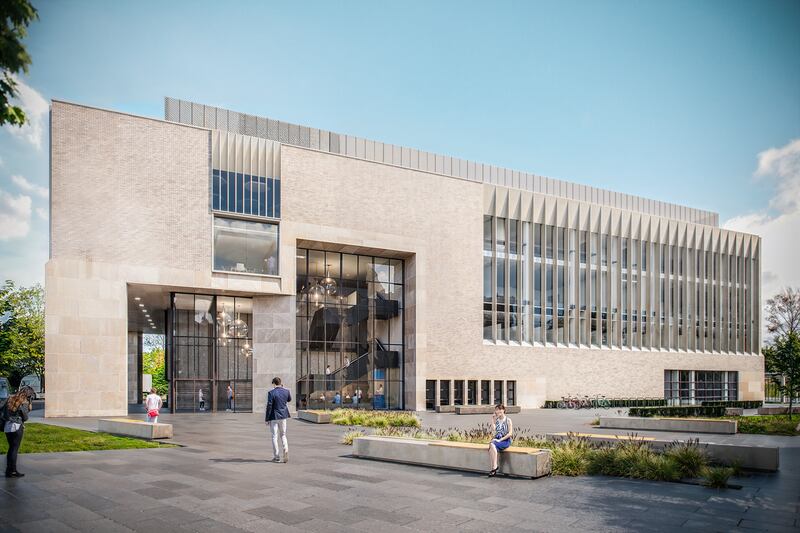
According to Paula Rankin, head of the Faculty of Health Sciences at SETU, the combination of academic expertise and practical application is one of the university’s greatest strengths.
“By combining research, industry collaboration and practical experience, SETU prepares graduates to make an immediate impact,” she says. “The Advanced Science Building will further strengthen the university’s role in advancing public health research and delivering benefits for communities across the region.”
SETU’s expertise also extends into health and wellbeing research. Through initiatives such as Men United, a football-based programme for men recovering from prostate cancer treatment, researchers are examining how physical activity can support rehabilitation, wellbeing and social connection.
Supported by the Irish Cancer Society and the SETU PhD Scholarship Programme, the project examines how structured physical activity can support physical function, mental wellbeing and peer-to-peer social connection.
Professor Michael Harrison, head of the Department of Sport and Exercise Science and co-principal investigator on the project, says the research reflects the university’s broader philosophy around sport and physical activity.
“Through these initiatives, SETU is exploring how sport and physical activity can support rehabilitation, wellbeing, social connection and quality of life, delivering meaningful benefits for communities.”
Facilities alone do not create success. Behind every athlete is a network of coaches, support staff, sports scientists, athletic therapists, nutritionists and educators. SETU has invested heavily in building that ecosystem.
Across its campuses, students can access specialist programmes in sports coaching, management, performance analysis, and exercise and health sciences. These programmes are designed in partnership with sporting organisations and industry to ensure graduates possess the practical skills and knowledge required in modern sport.

The impact of this approach can be seen in Mags Cremen, a two-time Olympian and student on SETU’s Master of Science in Applied Sport and Exercise Psychology. In 2025 she added a World Rowing Championship gold medal to her achievements.
Cremen represents the growing number of high-performing athletes choosing SETU to further their academic and professional development alongside their sporting ambitions.
“My experience at SETU has given me valuable insights into performance, resilience and wellbeing that complement my career as an athlete,” she says. “Being able to continue my education while competing internationally has been hugely important and SETU has provided an environment where both my academic and sporting ambitions can thrive.”
For Donal McNally, SETU’s director of sport, it comes down to the environment the university creates. “Whether supporting aspiring Olympians, advancing health research, hosting international events or developing future coaches and sports scientists,” he says, “SETU demonstrates how a modern university can contribute meaningfully to sport and community in Ireland and internationally.”
For students, SETU offers the opportunity to pursue excellence in both sport and education within an environment designed to help them succeed.


