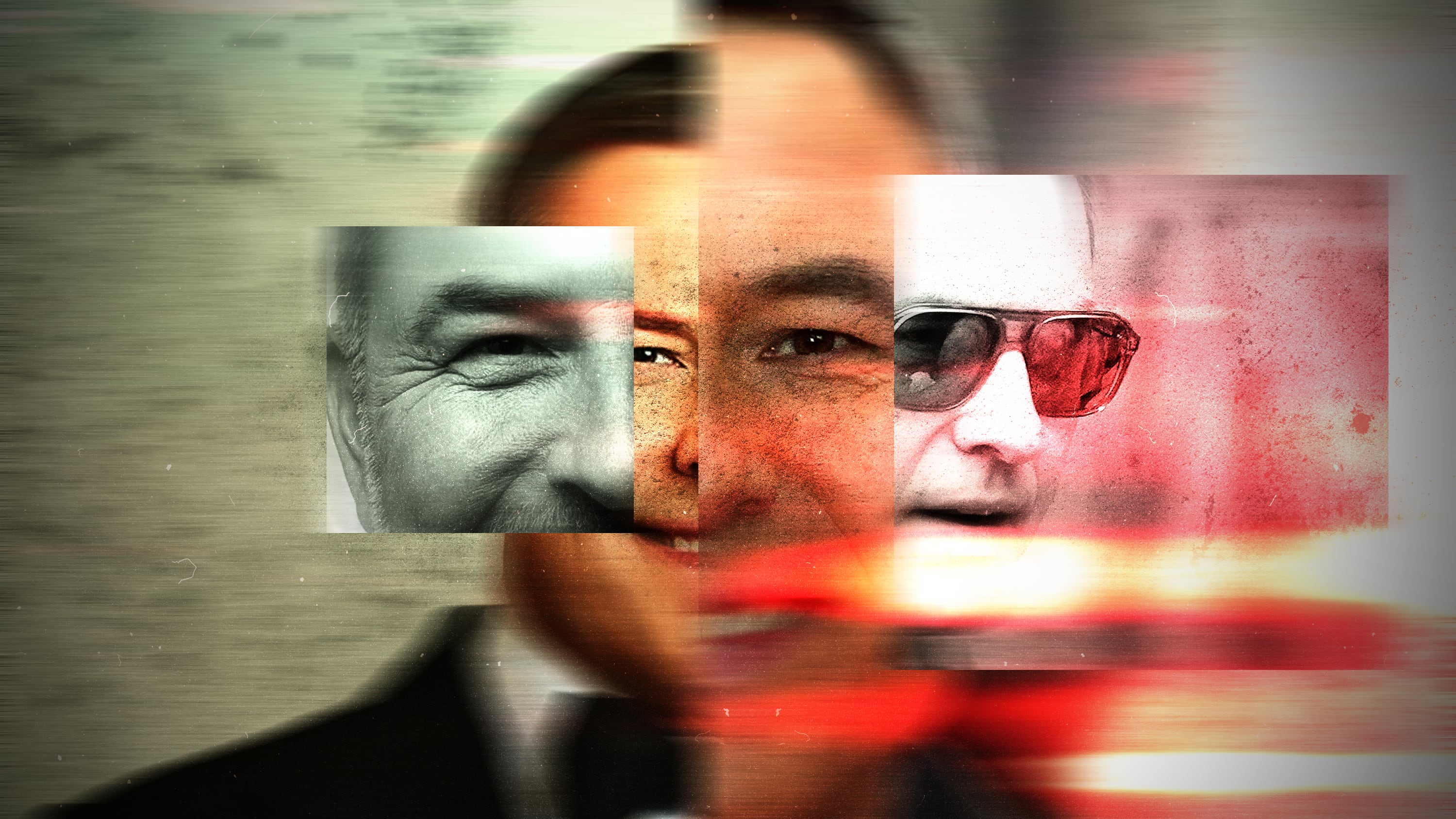
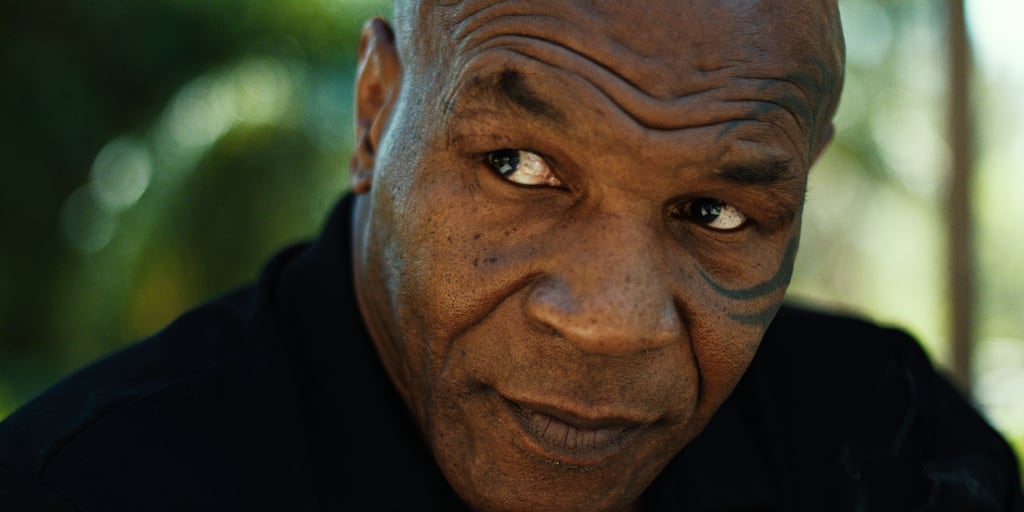
In the early 1990s, popular culture was dominated by three African-Americans, all born Michael: Michael Jordan, Michael Jackson and Mike Tyson. Each was troubled in his own way, but Tyson was the real unexploded bomb of the trio, and in this absorbing, if at times uncomfortable, new Netflix documentary – Tyson – he remains a volatile and enigmatic presence.
There are several documentaries bound up in one here, and the sailing is smoothest when director Floyd Russ is telling the Rocky-esque story of Tyson’s rise from grinding poverty in Brooklyn to overnight greatness as the most consequential heavyweight boxer since Muhammad Ali.
He hit harder than Ali but lacked his charisma and poetic quality. If Ali danced and floated, Tyson brooded darkly – especially after the death of his mentor, Cus D’Amato, a hard-talking, soft-hearted trainer who made Tyson believe he could be champion.
But there’s a jump scare further into the four-episode series when, out of nowhere, Donald Trump pops up to gush about Tyson and the grand title fight he put on for the boxer in Atlantic City. This was when Tyson was in a public and troubled marriage to Robin Givens, who said Tyson was physically abusive.
READ MORE


He denied those charges then and now – saying that he “pushed” his wife but did not strike her. But there isn’t much pushback against Tyson by the documentary, and the film never interrogates the wider question of whether it is even appropriate for Netflix to make an essentially non-judgmental series about someone accused on national television of being abusive towards his wife (as Givens did when she and Tyson were interviewed by Barbara Walters).
At this point, viewers may wonder if they want to continue with Tyson – and that question raises its head all over again when the boxer is asked about his conviction for the 1991 rape of beauty pageant contestant Desiree Washington.
Washington isn’t entirely discredited, but the documentary gives Tyson a platform to deny he did anything wrong – a “both sides” approach that sits uncomfortably with the fact that he is a convicted sex offender.
[ Lena Dunham’s Girls to return for limited runOpens in new window ]
There are no rebuttals from either Givens or Washington, and you can understand why they would have declined to participate in this largely laudatory profile – but it does make the viewer feel that they are party to a queasy bargain. Sit back, enjoy the boxing and don’t get too distracted by all that abuse stuff.
With the documentary at number two on the most-watched list in Ireland, it is clearly a compromise many are happy to make, though the buck must, of course, ultimately stop with Netflix for giving Tyson a platform in the first place.